


Creating a Memorial Garden with Ashes: A Guide from MH Funerals
The creation of a memorial garden using the ashes of a loved one offers a meaningful way to honour their memory in a personal sanctuary. At MH Funerals, we understand the significance of creating a space that not only commemorates the deceased but also provides a tranquil spot for reflection and peace. This article provides practical steps and thoughtful considerations for creating a memorial garden with ashes, ensuring it becomes a cherished place of remembrance.
Choosing the Right Location
The first step in creating a memorial garden is selecting an appropriate location. Whether it’s a quiet corner of your backyard or a dedicated section of a community garden, the spot should offer privacy and tranquillity. Consider the amount of sunlight the area receives and its accessibility throughout the year, as these factors will influence the types of plants that can thrive there.
Selecting Plants and Flowers
When choosing plants for your memorial garden, consider selecting species that were favourites of the deceased or have particular symbolic meanings. For example, roses can symbolise love and grief, while forget-me-nots represent remembrance. Perennials are a popular choice because they return year after year, symbolising the enduring nature of memory.
Incorporating Ashes into the Garden
There are several respectful ways to incorporate ashes into a memorial garden:
- Mixing Ashes with Soil: You can mix a portion of the ashes into the soil where the plants will grow. This act can symbolise the deceased giving life to the garden, a comforting thought for many.
- Creating a Burial Spot for the Ashes: Some prefer to bury the ashes in a biodegradable urn within the garden. This can be marked with a special stone, plaque, or other memorial markers.
- Scattering Ashes Among the Plants: Scattering the ashes gently around the base of the plants can also be a way to integrate the physical memory of the loved one into the garden.
Adding Personal Touches
To enhance the personal nature of the garden, consider adding items that reflect the life and passions of your loved one. This could include decorative stones, sculptures, or a bench where visitors can sit and reflect. Wind chimes or a small fountain can also add a soothing auditory element to the garden.
Ongoing Care and Maintenance
Maintaining a memorial garden can be a therapeutic activity, helping to process grief through the nurturing of the plants. Regular care ensures the garden remains a beautiful and serene tribute throughout the seasons.
Conclusion
Creating a memorial garden with ashes is a beautiful way to preserve the memory of a loved one. At MH Funerals, we are committed to helping you through every step of this process, from choosing the right cremation options to offering guidance on memorialising your loved one. A memorial garden is not just a place of mourning, but a living celebration of a life well-lived, providing comfort and solace to those who visit.

Honouring the Journey: Meaningful Options for a Loved One’s Ashes
After cremation, many families wonder what to do with their loved one’s ashes. Fortunately, there are numerous ways to honour your loved one, and the choice is a deeply personal one. Here are a few possibilities:
Burial or Interment: Many cemeteries have specific areas designated for the burial of ashes. Alternatively, you could consider a columbarium, which is a building or structure with niches for the respectful storage of urns.
Scattering the Ashes: Some people choose to scatter ashes in a place that held special meaning for their loved one, such as a garden, forest, or body of water. Ensure to check local laws or obtain necessary permissions if required.
Keeping the Ashes at Home: You might prefer to keep the ashes at home in a beautiful urn or a specially designated place. It can provide a sense of comfort and closeness.
Creating Memorial Objects: Today, numerous companies transform a small amount of ashes into unique memorial objects, such as jewellery, art, or even vinyl records. These can serve as a comforting reminder of your loved one.
Planting a Memorial Tree: Some companies provide biodegradable urns designed to mix with seeds and soil, turning your loved one’s remains into a living tribute.
The decision on what to do with your loved one’s ashes is a personal journey. It’s essential to take your time and choose something that feels right for your family. At MH Funerals, we respect every family’s choices and are here to support you in creating a lasting tribute that honours your loved one’s unique life.

Supporting with Words: Navigating Conversations with a Grieving Loved One
Losing a parent is an experience that leaves many of us searching for the right words to comfort a loved one. It is a profound and deeply personal loss that may leave those grieving feeling adrift. During this challenging time, your compassionate and understanding presence can provide valuable support.
A simple “I’m sorry for your loss” can often be the most comforting. It’s straightforward, sincere, and doesn’t minimise the pain they’re experiencing. Avoid clichés such as “They’re in a better place” or “At least they lived a long life,” as these phrases can unintentionally invalidate their grief.
Listening is another essential part of supporting a grieving loved one. They may need to share memories, express their feelings, or talk about their parent. Be patient and offer a listening ear, even if they repeat the same stories or thoughts. This repetition is often a crucial part of the healing process.
Sometimes, practical help can speak louder than any words. Offering to cook meals, run errands, or look after their children can provide tangible support when they are overwhelmed by grief.
Lastly, remember that grief doesn’t follow a schedule. Long after the funeral, your friend will still miss their parent. Continue to check in on them in the weeks and months following their loss. Your ongoing support can mean more than you might think.
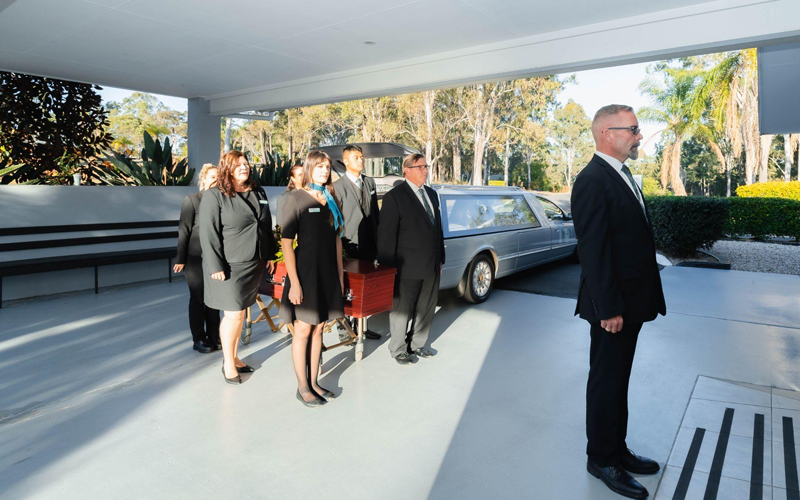
The Difference Between Modern and Traditional Funerals
The ritual of farewelling a loved one has been a sacred practice since the dawn of human history, with traditions varying across different cultures and periods. However, the fundamental aim of these services remains the same: honouring the departed, providing comfort to the living, and facilitating the grieving process.
In recent years, we have witnessed a shift in funeral customs. While traditional funerals are deeply rooted in cultural or religious rites, modern funerals increasingly emphasise personalisation and individuality. Understanding the differences between these two approaches can help families choose the most suitable way to celebrate a loved one’s life.
Traditional funerals usually follow a prescribed set of rituals. These might include a viewing or wake, a formal funeral service at a church or funeral home, a procession to the cemetery, and a burial or interment of the remains. Religious readings, hymns, and prayers often play a central role in these ceremonies, providing comfort and hope to the bereaved.
Modern funerals, on the other hand, tend to focus on celebrating the individual’s life rather than dwelling on their death. They are often less formal and may take place in a variety of locations, from parks and gardens to the deceased’s home or a favourite location. Instead of religious rites, these services might incorporate favourite music, personal anecdotes, and tributes that reflect the person’s hobbies, passions, or achievements.
Increasingly, modern funerals also utilise technology, such as live streaming the service for those who cannot attend in person or creating multimedia presentations to remember the deceased. Additionally, modern funerals might consider environmentally-friendly practices, like green burials or biodegradable coffins.
In conclusion, both traditional and modern funerals have unique strengths and can offer comfort in different ways. The choice between the two often depends on the deceased’s wishes, the family’s beliefs and values, and the cultural or religious context. At MH Funerals, we respect all traditions and beliefs, ensuring that each service we organise is a fitting tribute to the individual it honours.